
Commercial Kitchen Loans Are Hefty Investments
Did you know that the global market for commercial kitchen equipment was valued at approximately $98 billion in 2024? This staggering figure is projected to soar to $149 billion by 2030. For many aspiring restaurant owners, these numbers highlight a critical reality: outfitting a restaurant can be a hefty investment.
Establishing a successful food service business often hinges on securing the right financing. With the costs of essential equipment ranging from $50,000 to over $500,000, many entrepreneurs turn to specialized funding options. This is where understanding the nuances of equipment financing becomes essential.
This guide will help you navigate the complexities of acquiring the best financial solutions available. From learning about various equipment types to selecting the right lenders, you’ll discover how informed decisions can enhance your business’s growth and operational efficiency.

Key Takeaways
- Commercial kitchen loans are vital for launching and growing a restaurant.
- Equipment financing allows for manageable monthly payments, preserving working capital.
- The cost of outfitting a commercial kitchen can be significant, often exceeding $500,000.
- The commercial kitchen equipment market is rapidly expanding, driven by industry growth.
- Understanding financing options is crucial for making informed investment decisions.
Understanding Commercial Kitchen Loans: Why Financing Matters
The initial investment for a restaurant can be daunting, making financing essential. Understanding the financial demands of a restaurant can make or break your business venture. Outfitting a commercial kitchen requires careful consideration of costs, which can vary significantly based on the size and scope of the operation.
The Cost of Outfitting a Commercial Kitchen
According to Your Kitchen Center, small restaurants typically invest between $50,000 and $150,000 in equipment. Medium-sized restaurants may spend $150,000 to $250,000, while large high-volume kitchens often exceed $250,000, reaching up to $500,000 or more.
For instance, a single commercial oven can cost between $10,000 and $30,000, while a walk-in refrigerator ranges from $5,000 to $15,000. These figures illustrate why upfront payments are rarely feasible for many aspiring restaurateurs.
How Financing Supports Cash Flow and Business Growth
Restaurants operate on tight margins, with labor, food costs, and rent consuming most available cash. This makes equipment financing crucial for preserving working capital. Financing converts large capital expenditures into fixed monthly payments, allowing operators to maintain cash for inventory, staffing, and marketing that drive daily revenue.
Opening a restaurant requires simultaneous spending across various areas, including commercial space, kitchen equipment, technology, licenses, and operational infrastructure. Equipment financing enables operators to upgrade to energy-efficient appliances, expand menu offerings, and increase kitchen throughput without depleting reserves.
Importantly, financing is not just for new restaurants. Existing operations can use it to modernize equipment, improve food safety, and stay competitive in a rapidly evolving industry. With the food-service equipment market projected to grow to $74.4 billion by 2035, sustained investment in kitchen equipment is critical for long-term success.
By spreading equipment costs over time through financing, restaurant owners can align payments with revenue cycles. This approach simplifies cash flow management during seasonal fluctuations. Understanding the true cost of a commercial kitchen and how financing protects cash flow is essential for making smart investment decisions that fuel business growth.
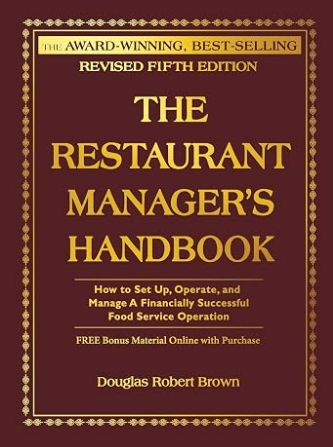
The multiple award-winning Restaurant Manager s Handbook is the best-selling book on running a successful food service operation. The fifth completely revised edition of this book includes cutting-edge material that you need to run your restaurant in the modern age. This new edition includes case studies from professionals that cover topics such as restaurant branding, franchising, effective layout and remodeling, cost-effective menu planning, food sourcing options, food safety and IoT technology, smart phone apps to ease scheduling and communication hassles, digital marketing, recent trends in the restaurant business, managing online feedback, and innovative ways to promote your restaurant on the web.

Types of Commercial Kitchen Equipment You Can Finance
Understanding the types of equipment available for financing can significantly impact your restaurant’s efficiency. The right tools can make all the difference in daily operations. Here’s a closer look at the major categories of equipment you can finance.
Cooking and Refrigeration Equipment
Cooking equipment forms the backbone of any food service operation. This includes commercial ovens, ranges, grills, fryers, and steamers. These items are essential for preparing a variety of dishes efficiently.
Proper refrigeration is equally important. Options like walk-in coolers, freezers, ice machines, and refrigerated prep tables ensure food safety and inventory management. Having reliable cold storage helps maintain quality and compliance with health regulations.
Food Prep, Service, and Front-of-House Technology
Food preparation and service equipment streamline workflows. Items such as mixers, slicers, dishwashers, and stainless steel workstations are vital for efficiency. They allow staff to work quickly and maintain high standards.
Front-of-house technology also plays a key role. Financing options are available for POS systems, dining furniture, and display cases. These elements enhance the customer experience and contribute to a welcoming atmosphere.
New vs. Used Equipment Financing
When considering financing, both new and used equipment options are available. New equipment often comes with the latest technology and warranties, while used equipment can significantly reduce costs. Both options can qualify for financing programs, making it easier to manage expenses.
Specialized needs for ghost kitchens and food trucks are also covered. Startup costs for ghost kitchens can range from $20,000 to $500,000, while food truck equipment typically runs between $50,000 and $150,000. Understanding the full range of financeable equipment helps operators make strategic purchases that align with their menu and long-term goals.

Exploring Financing Options for Commercial Kitchen Equipment
When it comes to financing your restaurant, understanding the available options is crucial. Each financing method has its unique advantages and implications for your business. Here’s a closer look at the two primary options: equipment loans and leasing.
Equipment Loans: Ownership and Repayment Terms
With an equipment loan, your restaurant owns the equipment outright once the loan is paid off. This option allows you to build equity in assets that may hold value for 10 to 15 years. Typically, repayment terms for these loans run between 24 to 60 months with fixed monthly payments. This structure enables operators to align repayments with their revenue cycles and cash flow patterns.
Leasing: Flexibility and Lower Monthly Payments
On the other hand, equipment leasing offers lower monthly payments and greater flexibility. At the end of the lease term, operators can choose to return the equipment, renew the lease, or purchase it. This option is particularly well-suited for technology-driven equipment, such as POS systems and kitchen display systems, which evolve quickly and can become outdated.
Choosing Between Loans and Leasing
When deciding between loans and leasing, consider the cash flow implications. Loans require higher monthly payments but build long-term asset value. Leasing, however, preserves working capital for marketing, staffing, and inventory needs. Restaurant equipment financing through loans is ideal for long-lived assets like commercial refrigeration and cooking lines that will stay in service for many years.
For newer restaurants or those expanding to a second location, leasing may be the stronger fit. It allows operators to keep cash available for operational costs, prioritizing immediate needs over building equity. Interest rates and term lengths vary between loans and leasing, with operators who have stronger credit profiles generally accessing more favorable rates.
Ultimately, evaluating the total cost over time is essential. While leasing offers lower monthly payments, it may cost more in the long run compared to an equipment loan. Your choice should depend on the type of equipment, your cash-flow priorities, and your restaurant’s long-term business strategy.
Who Qualifies for Commercial Kitchen Loans?
Understanding who qualifies for financing is essential for restaurant owners. Many factors come into play when lenders evaluate applications. Here’s a breakdown of the key criteria that can influence your chances of securing funding.
Credit Score and Business Revenue Requirements
Your credit score is a significant factor in the approval process. Lenders like National Funding typically look for fair to excellent credit. On the other hand, Dimension Funding accepts most credit types, making it easier for more businesses to qualify. Email me if you are interested in applying for equipment funding.
Additionally, business revenue plays a critical role in lender evaluations. Higher annual revenue generally opens access to larger loan amounts and more favorable rates. This means that demonstrating consistent revenue can significantly improve your chances of approval.
Time in Business and Collateral Considerations
Time in business is another important factor. National Funding requires just 6 months in operation, making equipment financing accessible to relatively new businesses. This shorter timeframe can be beneficial for startups looking to get off the ground.
Collateral is also a key aspect of equipment financing. Since the equipment itself serves as collateral, qualification requirements are generally more accessible than for unsecured business loans. This means that even newer operations can secure financing with the right equipment in place.
Getting Financing as a Startup or New Restaurant
Startups often face unique challenges when seeking financing. However, the collateral-backed structure of equipment financing reduces lender risk. This means that newer restaurants can qualify, especially if they have strong personal credit and a clear business plan.
For first-time operators, having a solid business plan can significantly improve approval odds, even without years of revenue history. Some lenders, like Dimension Funding, offer application-only approval up to $250,000 without the need for financial statements. This can be a game-changer for those on a tight timeline.
Moreover, same-day approvals and next-business-day funding are available from some lenders. This speed is crucial when a kitchen buildout is on a tight schedule.
In conclusion, while credit score, revenue, and time in business all factor into qualification, the collateral-backed nature of equipment financing makes it one of the more attainable funding options for restaurant operators at various stages of growth.
The Application Process for Commercial Kitchen Loans
Navigating the application process for restaurant financing can seem overwhelming, but understanding each step can simplify it. Knowing what to expect helps you prepare and increases your chances of approval.
Documentation You’ll Need
Before applying, gather essential documentation. Lenders typically require:
- Your personal credit score information.
- Verification of your time in business.
- Annual or monthly revenue figures.
- Proof of business registration, such as an LLC or C-Corp.
- An equipment quote from a vendor.
Having these documents ready will streamline the process and show lenders that you are organized.
How Lenders Evaluate Your Business
During the application process, lenders assess your business in several ways. They will look at:
- Your credit history to determine reliability.
- The stability of your revenue to gauge your ability to repay.
- The value of the equipment being financed, which serves as collateral.
This evaluation helps lenders decide how much funding to offer and under what terms.
Tips for Speeding Up Approval
To speed up your application approval, consider these practical tips:
- Organize all documentation in advance.
- Maintain a strong credit profile.
- Work with lenders who offer same-day decisions.
Some lenders, like Dimension Funding, even provide application-only approval up to $250,000 without needing financial statements. This can significantly reduce processing time.
Once approved, funding can be available as quickly as the same day or the next business day. This speed is crucial when equipment purchases are time-sensitive.
Since the equipment serves as collateral, lenders can move faster than they would with unsecured loans. This benefits restaurant operators on tight buildout timelines.
Understanding the application process and preparing documentation in advance helps restaurant owners secure financing efficiently and keep their projects on schedule.
Tax Benefits and Financial Advantages of Equipment Financing
Understanding the financial benefits of equipment financing can provide a significant advantage for restaurant owners. One of the most compelling reasons to finance equipment is the potential tax savings through the Section 179 deduction.
Section 179 Deduction Explained
The Section 179 deduction allows restaurant owners to deduct the full purchase price of qualifying equipment in the year it is put into service. This means you can write off the entire cost rather than depreciating it over time. This can lead to substantial savings on your tax bill.
It’s important to finance equipment before December 31st to capture a 100% tax deduction for that tax year. By doing so, you can significantly reduce your overall tax bill.
Spreading Out Payments to Manage Cash Flow
Combining equipment financing with the Section 179 deduction creates a powerful financial strategy. You can spread payments over time while capturing tax benefits upfront. This approach preserves capital for other operational needs, such as hiring staff, purchasing inventory, and funding marketing campaigns.
The tax savings from Section 179 can effectively reduce the net cost of kitchen equipment. This makes it more affordable for restaurant owners to invest in high-quality, energy-efficient appliances.
Both new and used equipment qualify for the Section 179 deduction. This gives operators the flexibility to choose cost-effective used restaurant equipment while still capturing tax benefits.
Moreover, equipment financing payments are typically fixed and predictable. This makes it easier for business owners to manage cash flow and budget accurately throughout the year.
The combination of tax advantages and manageable monthly payments makes equipment financing a smarter investment than paying cash upfront. This is especially true for growing restaurants.
As noted by National Funding, taking advantage of cost savings by financing over time while getting tax benefits now is a key financial advantage for restaurant operators. Understanding and leveraging tax benefits like Section 179 is essential for maximizing the return on investment when financing restaurant equipment.
How to Choose the Right Lender for Your Commercial Kitchen Loan
Selecting the right lender is crucial for securing financing for your restaurant’s needs. A lender with specific expertise in restaurant equipment financing can make a significant difference. These specialized lenders understand the unique cash flow cycles and equipment needs of food-service businesses. This knowledge can lead to better terms and a smoother financing process.
Expertise in Restaurant Equipment Financing
Choosing a lender with experience in the restaurant sector is essential. They can provide tailored solutions that align with your business’s operational demands. Industry-specialized lenders are familiar with the challenges faced by food-service businesses. This expertise can result in more favorable loan options and a better understanding of your needs.
Loan Terms, Rates, and Customer Support
When comparing lenders, consider the loan terms they offer. Repayment periods typically range from 24 to 60 months. Longer terms may result in lower monthly payments, but they can also lead to higher total interest costs. Interest rates vary based on the lender type, your credit profile, and the equipment being financed. Stronger credit scores generally unlock more favorable rates.
Customer support is another critical factor. Lenders like National Funding assign dedicated Funding Specialists to guide business owners through the decision-making process. This personalized attention can help you navigate the complexities of financing.
Online vs Traditional Lenders
Online lenders often provide faster applications and approvals compared to traditional banks. For example, lenders like National Funding and Dimension Funding offer same-day approvals and next-business-day funding. In contrast, banks may offer lower rates but often require more documentation and time to process applications.
Consider the track record of established lenders. National Funding has provided over $4.5 billion in funding to more than 75,000 businesses. Dimension Funding boasts over 40 years of experience in the restaurant equipment space. These credentials can give you confidence in your financing choice.
Additionally, evaluate lender features. Look for options that cover 100% of equipment costs, including delivery and installation. Some lenders offer no collateral requirements and simple automatic payments, making the financing process more accessible.
Before committing to any financing agreement, review loan terms, rates, fees, and repayment schedules carefully. Transparency is key to ensuring you understand your obligations. Restaurant owners should also compare multiple financing options using platforms like Nav. This approach helps ensure you find the best rates and terms for your specific business situation.
In conclusion, the right lender combines industry expertise, competitive rates, flexible terms, and strong customer support. This combination helps restaurant operators make confident equipment financing decisions.
Maximizing Your Investment: Tips for Using Commercial Kitchen Loans Effectively
Maximizing your investment in restaurant equipment is essential for sustainable growth. Strategic planning and thoughtful purchases can help you leverage financing to enhance your operations. Here are some key tips to ensure you make the most of your equipment financing.
Planning Your Equipment Purchases
Prioritize equipment that directly impacts revenue generation. Focus on items like cooking lines that expand your menu capabilities. Upgraded kitchen equipment opens opportunities to offer new dishes, providing customers with a fresh dining experience that keeps them coming back.
Balancing Upgrades with Operational Needs
It’s crucial to balance equipment upgrades with your day-to-day operational needs. Ensure that loan payments do not strain your cash flow for inventory, staffing, and marketing. Investing in food safety equipment, such as sanitizing tools and proper refrigeration, protects diners and safeguards your restaurant’s reputation.
Monitoring Loan Costs and Repayment Schedules
Carefully monitor loan costs and repayment schedules. Track interest rates, payment due dates, and the total cost of financing to avoid surprises. Financing energy-efficient equipment can reduce long-term operating costs, turning your loan into an investment that pays for itself through utility savings.
Create a phased equipment purchasing plan that aligns with your revenue cycles. Upgrade critical items first while deferring less urgent purchases. Regularly review financing terms and explore refinancing options if better rates become available as your business grows.
Effective use of commercial kitchen loans means treating financing as a strategic tool for growth. Align your purchases with clear business objectives to maximize your return on investment. Thoughtful planning and disciplined monitoring of repayment obligations are essential for enhancing operational efficiency and revenue.
Conclusion
For restaurant owners, making informed decisions about funding is vital for long-term growth. Commercial kitchen loans are the standard way to equip a restaurant without draining cash reserves. Financing options range from equipment loans that build equity to leasing arrangements that offer flexibility.
Even startups can access funding since the equipment itself serves as collateral. Additionally, tax advantages through Section 179 allow operators to deduct the full cost of qualifying equipment, reducing their tax burden.
Working with experienced lenders like National Funding and Dimension Funding ensures tailored solutions that meet the unique needs of food-service businesses. Strategic planning of equipment purchases can maximize your investment and support sustainable growth.
As the commercial kitchen equipment market is projected to reach $149 billion by 2030, securing the right loan today positions your restaurant for operational excellence and profitability in the future.
FAQ
What are the benefits of financing kitchen equipment?
Financing allows businesses to acquire essential equipment without a large upfront cost. This helps maintain cash flow and enables better budgeting for operational expenses.
How can I improve my credit score for financing?
To enhance your credit score, pay bills on time, reduce outstanding debt, and regularly check your credit report for errors. These steps can help you qualify for better financing options.
What types of equipment can I finance for my restaurant?
You can finance a wide range of equipment, including ovens, refrigerators, food prep tools, and service technology. This ensures you have everything needed to run your business efficiently.
What is the difference between leasing and taking out a loan?
Leasing typically offers lower monthly payments and flexibility, while loans provide ownership of the equipment after repayment. The choice depends on your business needs and financial situation.
What documentation is required for the application process?
You will generally need financial statements, tax returns, a business plan, and information about your credit history. This documentation helps lenders assess your eligibility for financing.
Are there tax benefits associated with equipment financing?
Yes, many businesses can take advantage of the Section 179 deduction, allowing them to deduct the full purchase price of qualifying equipment from their taxable income, thus reducing tax liability.
How can I choose the right lender for my financing needs?
Look for lenders with experience in restaurant equipment financing, favorable loan terms, competitive rates, and strong customer support. Researching online and traditional lenders can help you find the best fit.
What should I consider when planning my equipment purchases?
Assess your current and future operational needs, budget for upgrades, and prioritize essential equipment to ensure that your investments align with your business goals.